
Understanding Local Tax Regulations: What South Florida Residents Need to Know
Understanding local tax regulations can be challenging, especially for residents in dynamic areas like South Florida. Navigating these regulations efficiently is crucial for financial planning and compliance. This guide aims to provide clarity on the key aspects that residents need to consider.
Importance of Understanding Local Taxes
Local taxes contribute significantly to community services such as schools, infrastructure, and emergency services. For South Florida residents, being aware of these taxes ensures that you’re contributing appropriately and can help you avoid any legal complications.
Types of Local Taxes in South Florida
South Florida residents face various local taxes, including property taxes, sales taxes, and specific local levies. Understanding each type is essential:
- Property Taxes: Levied on real estate properties, these are used to fund public services.
- Sales Taxes: Applied to most goods and services, with specific exemptions.
- Local Levies: Additional taxes may be imposed for specific community projects or improvements.
Property Tax Regulations
Property taxes are a major consideration for South Florida homeowners. These taxes are based on the assessed value of your property, which is determined by the county property appraiser. It’s important to review your property assessment annually to ensure accuracy.

Homestead Exemption
The Homestead Exemption can significantly reduce property tax liability for qualifying residents. This exemption is available to homeowners who occupy their home as their primary residence. Applications must be filed with the county property appraiser’s office, and deadlines are crucial.
Sales Tax Details
South Florida’s sales tax is a combination of state and local levies. The current state sales tax rate is 6%, with additional local taxes varying by county. Understanding these rates is important, especially for businesses that must collect and remit sales taxes.
Exemptions and Special Cases
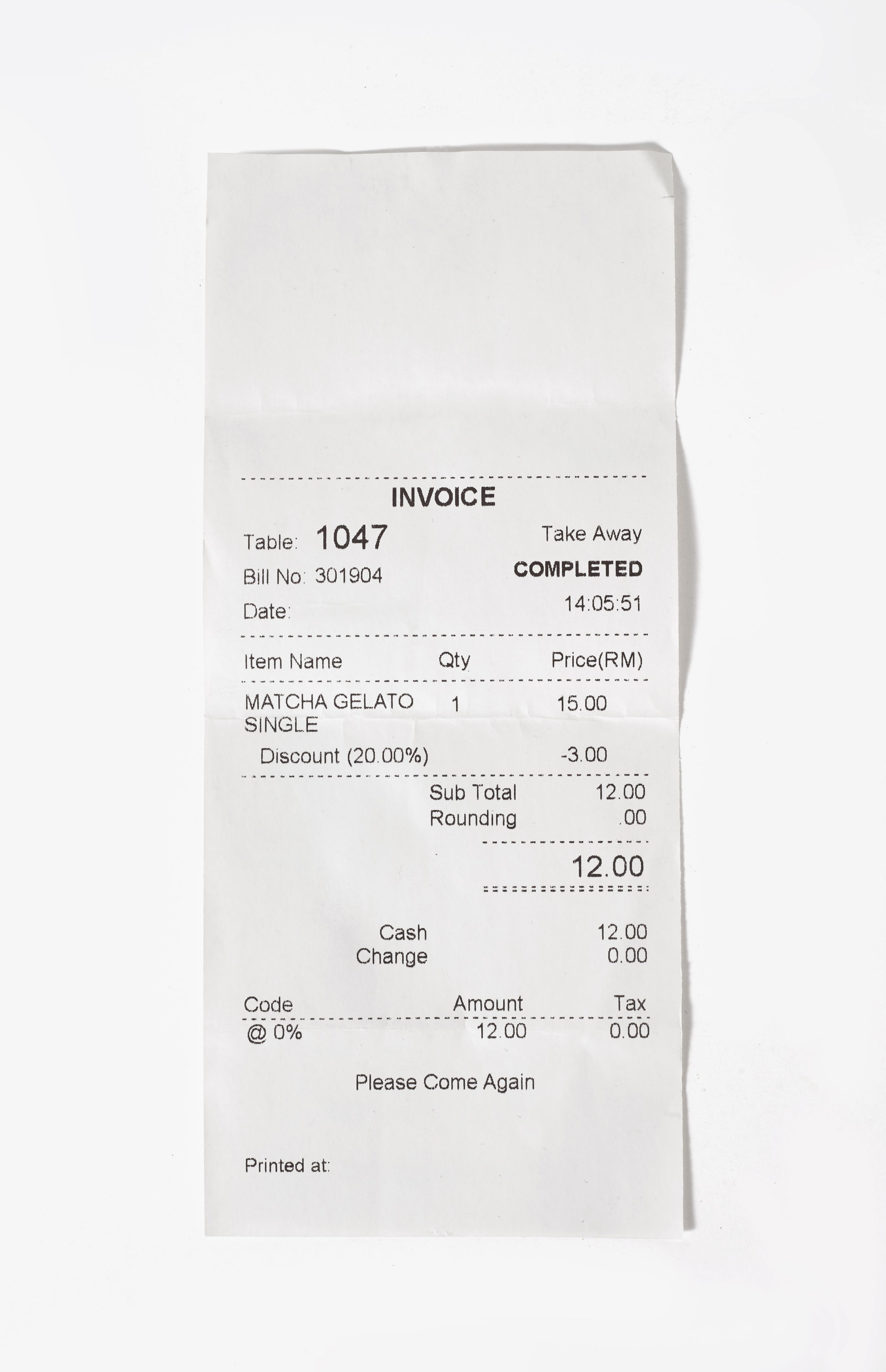
Certain items, like groceries and prescription medications, may be exempt from sales tax. Additionally, special tax holidays might offer temporary exemptions for specific goods. Staying informed about these can lead to substantial savings.
Staying Compliant
Compliance with local tax regulations is crucial to avoid penalties. South Florida residents should keep accurate records and stay informed about changes in tax laws. Consulting with a tax professional is often beneficial to ensure all obligations are met.
In conclusion, understanding local tax regulations in South Florida involves being aware of the types of taxes, available exemptions, and compliance requirements. Armed with this knowledge, residents can better manage their financial responsibilities and contribute to their community effectively.