
Understanding Broward County Taxation: Expert Insights and Tips
Understanding taxation in Broward County can be complex, especially if you're new to the area or unfamiliar with local policies. This guide aims to provide expert insights and practical tips to help you navigate the intricacies of Broward County's tax system effectively.
The Basics of Broward County Taxation
Broward County, like other regions, collects taxes to fund public services. These taxes are crucial for maintaining infrastructure, education, safety, and more. The primary types of taxes in Broward County include property taxes, sales taxes, and business taxes.
Property taxes are the most significant revenue source for the county. They are calculated based on the assessed value of your property. It's essential to understand how these assessments are made and what exemptions might be available to you.

Property Tax Assessment and Appeals
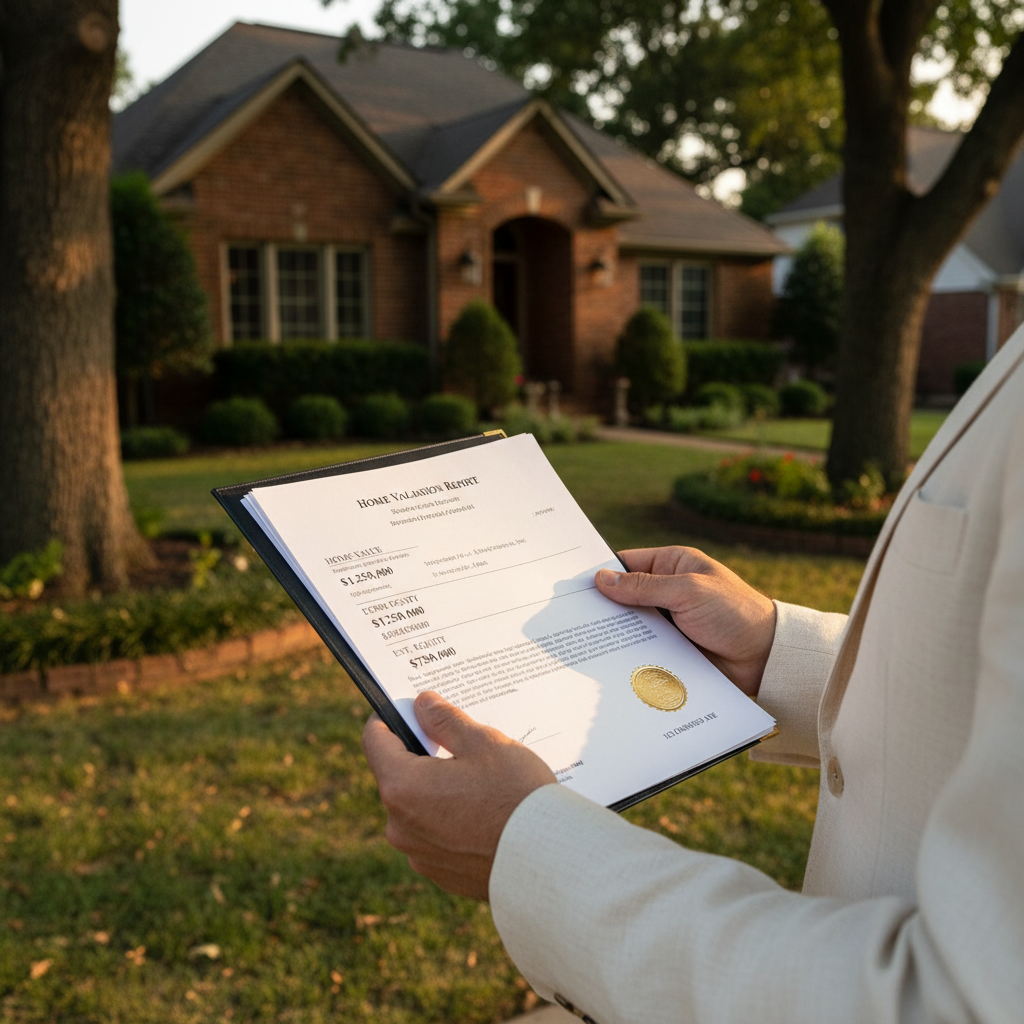
The Broward County Property Appraiser's Office is responsible for assessing property values. These assessments determine your annual property tax bill. If you believe your property has been overvalued, you have the right to appeal the assessment.
To appeal, gather evidence like recent sales of similar properties or an independent appraisal. Submit your appeal to the Value Adjustment Board, which will review your case. This process can potentially reduce your tax liability, so it's worth considering if you suspect an overvaluation.
Understanding Homestead Exemption
The Florida Homestead Exemption can significantly reduce your property tax bill. Eligible homeowners can receive exemptions up to $50,000 on their primary residence. This exemption not only lowers taxes but also offers protection against certain creditors.
To qualify, you must own and reside in the property as of January 1st of the tax year. Applications are typically due by March 1st. Don't miss this deadline if you want to benefit from the exemption.
Sales Tax in Broward County
Broward County's sales tax rate is 6%, with an additional 1% for a local option sales tax, making it a total of 7%. This tax applies to most retail sales, some services, and rentals. Understanding which items are taxed can help you better manage your expenses.
There are certain exemptions, including groceries and prescription medications. Being aware of these exemptions can help you make informed purchasing decisions.
Business Taxes and Licenses
If you run a business in Broward County, you're required to obtain a Business Tax Receipt, which essentially serves as a license to operate within the county. The tax amount depends on the nature and size of your business.

Additionally, some businesses may need special permits or licenses, such as food establishments or professional services. Always check with local authorities to ensure compliance.
Tips for Managing Your Tax Obligations
To effectively manage your tax obligations in Broward County, consider the following tips:
- Stay informed about deadlines to avoid penalties. Mark important dates on your calendar.
- Consider consulting a local tax expert who understands the nuances of Broward County taxation.
- Keep detailed records of any expenses or exemptions you claim to support your filings.
By understanding the local tax system and staying proactive, you can ensure compliance and potentially save money. Whether you're a homeowner or a business owner, being informed is your best strategy for managing taxes in Broward County.