
Seasonal Tax Preparation Checklist for Small Businesses
Introduction to Seasonal Tax Preparation
As a small business owner, preparing for tax season can be a daunting task. However, with a well-organized approach, it can become a manageable part of your routine. This checklist will guide you through the essential steps to ensure a smooth tax preparation process.
Being proactive and organized not only saves time but also ensures that you maximize your deductions and avoid any penalties. Let's dive into the key areas you need to focus on.
Gathering Financial Records
Compile Income Statements
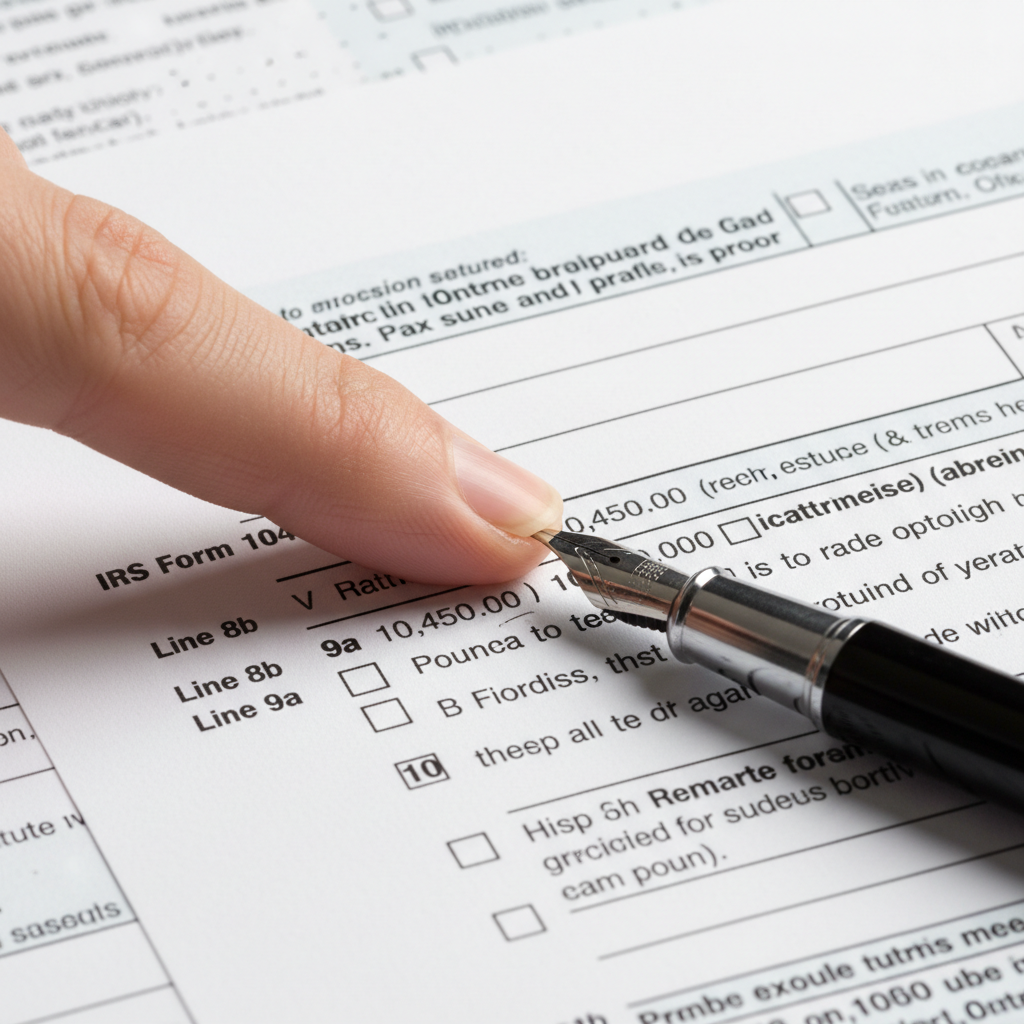
Your income statements are crucial for determining your business's profitability. Ensure you have all your profit and loss statements ready, including any additional revenue streams, such as investment income or grants.
Organize Expense Receipts
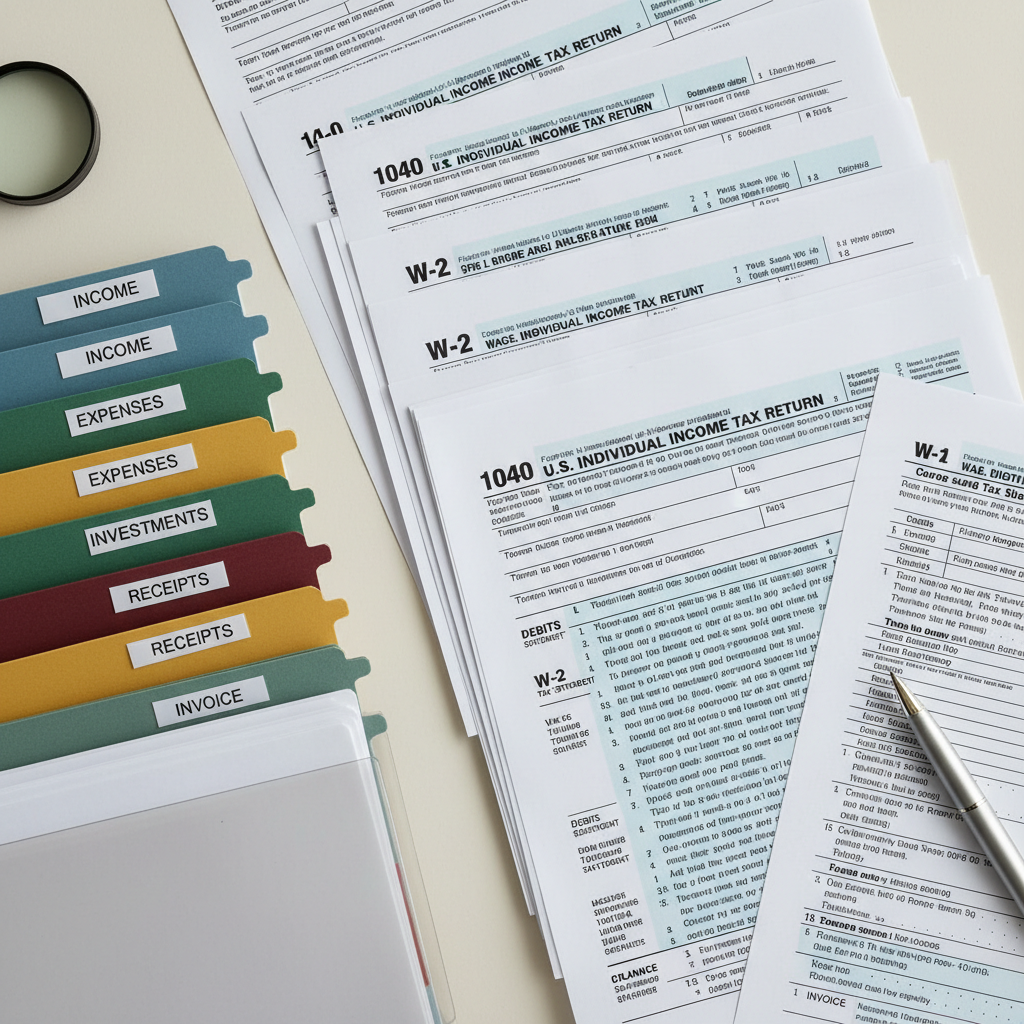
Gather all your expense receipts, whether they're physical or digital copies. Categorize them by type, such as travel, office supplies, and utilities, to streamline the process of claiming deductions.
Reviewing and Updating Records
Check Accounts Receivable and Payable
Ensure that your accounts receivable and payable are up to date. This not only helps in preparing your tax return but also gives you a clear picture of your cash flow for the upcoming year.
Reconcile Bank Statements
Reconcile your bank statements to ensure there are no discrepancies. This step is vital for catching any errors and ensuring all transactions are accounted for accurately.

Staying Informed on Tax Laws
Understand Recent Tax Changes
Tax laws can change frequently, affecting deductions and credits available to small businesses. Stay informed about recent changes to ensure compliance and to take advantage of any new opportunities.
Consult a Tax Professional
Consider consulting with a tax professional to get tailored advice for your business. They can offer insights that might not be immediately obvious and help you strategize for the best outcomes.

Finalizing Your Tax Preparation
Double-Check Your Work
Before submitting your tax return, double-check all your information for accuracy. This final review helps prevent errors that could lead to penalties or delays in processing.
File Your Taxes Promptly
Once everything is in order, file your taxes promptly to avoid late fees. Many businesses find it beneficial to file early to avoid the last-minute rush and potential issues.
By following this checklist, you can approach tax season with confidence and clarity, ensuring that your small business remains compliant and financially healthy.