
Seasonal Tax Preparation: What to Do Before Year-End
Understanding Seasonal Tax Preparation
As the year draws to a close, it's crucial to focus on seasonal tax preparation. Acting proactively can help you maximize deductions and ensure a smooth filing process when tax season arrives. By taking specific steps before year-end, you can significantly impact your financial outcome.
Year-end tax preparation isn't just about gathering documents; it's about strategically planning your finances to reduce your tax liability. This guide will walk you through essential steps to take before the year ends.
Review Your Income and Expenses
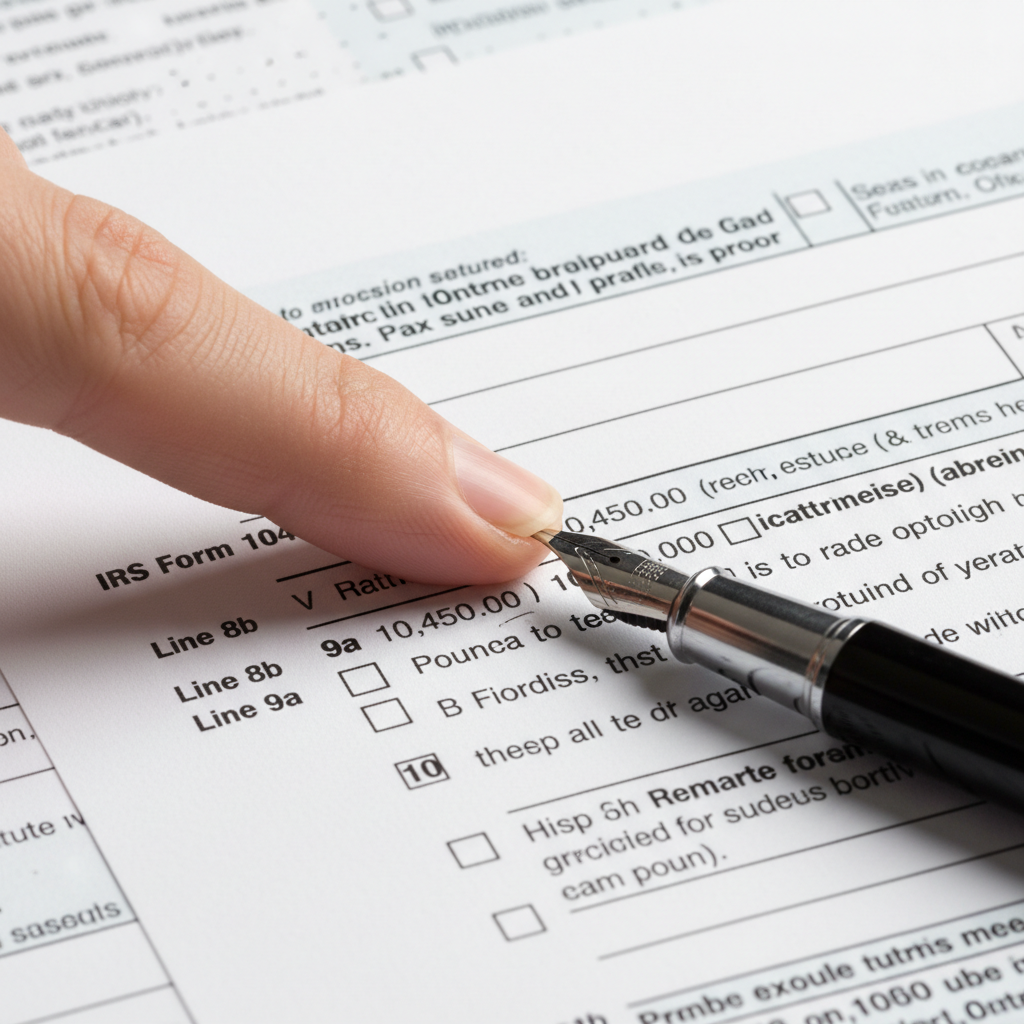
The first step is to review your income and expenses for the year. Ensure that all your financial records are accurate and up-to-date. This includes checking your bank statements, investment accounts, and any additional sources of income.
If you run a business, make sure your bookkeeping is in order. Proper documentation of income and expenses can help you identify potential deductions and credits you might qualify for.
Maximize Your Deductions
Now is the time to identify and maximize your deductions. Consider making charitable contributions, as these can be deducted from your taxable income. Additionally, look into maximizing retirement contributions, which can also lower your tax burden.
Other deductible expenses include medical costs, mortgage interest, and educational expenses. Review these carefully to ensure you're claiming everything you're entitled to.

Plan for Tax Credits
Tax credits can directly reduce your tax bill, making them more valuable than deductions. Research available tax credits, such as those for energy-efficient home improvements or education-related expenses. Make sure you meet the eligibility requirements and gather any necessary documentation.
Planning for these credits in advance can help you make the most of them, potentially saving you a significant amount on your taxes.
Consult a Tax Professional
If you find the tax preparation process overwhelming, consider consulting a tax professional. They can provide personalized advice tailored to your financial situation and help you uncover opportunities for savings you might have overlooked.
A tax professional can also assist you in navigating complex tax laws and ensuring compliance with the latest regulations, providing peace of mind as the year ends.

Organize Your Tax Documents
As you prepare for tax season, organize all necessary documents, such as W-2s, 1099s, and receipts. Having these ready will streamline the filing process and minimize stress when it's time to submit your return.
Consider using digital tools or apps to keep track of your documents and expenses throughout the year, making the year-end preparation more manageable.
Evaluate Year-End Financial Moves
Before the year concludes, evaluate any potential financial moves that could benefit your tax situation. This may include selling investments to realize gains or losses or adjusting your withholding if you've experienced significant income changes.
By carefully considering these moves, you can position yourself for a more favorable tax outcome when you file your return.