
How to Prepare for Tax Season with Confidence
Understanding Your Tax Obligations
Preparing for tax season doesn't have to be a daunting task. By understanding your tax obligations, you can approach this annual event with confidence. Begin by familiarizing yourself with the types of taxes you are required to pay, which may include federal, state, and local taxes. Knowing the deadlines for each is crucial to avoid any penalties.
Keep in mind that tax laws can change, so it's essential to stay updated on any new regulations that may affect your filings. Consider subscribing to newsletters or alerts from reliable tax resources to stay informed.
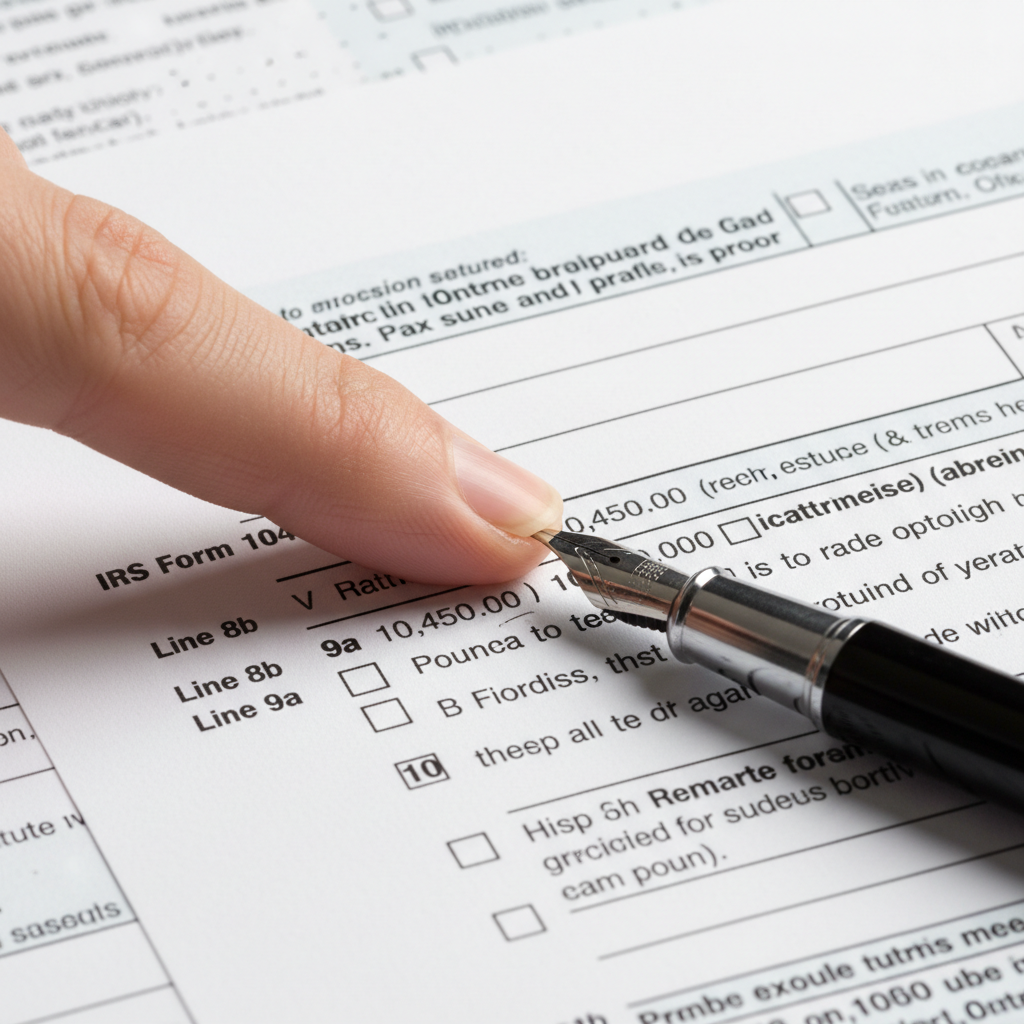
Organizing Your Financial Documents
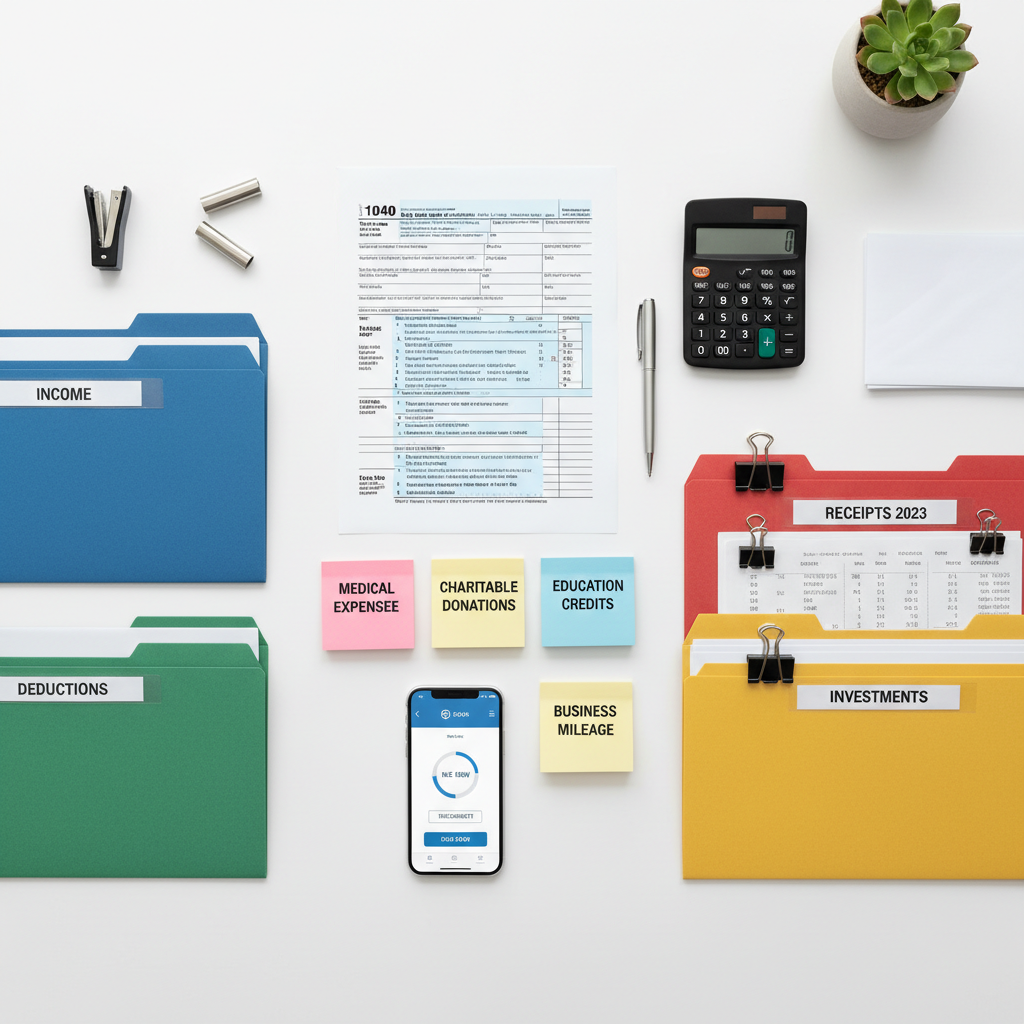
One of the most critical steps in preparing for tax season is organizing your financial documents. Start by gathering all necessary paperwork, such as W-2s, 1099s, receipts for deductions, and investment statements. Having these documents organized will streamline the filing process and reduce stress.
Consider using digital tools or apps to store and categorize your documents. These tools can help you access information quickly and ensure nothing gets misplaced. Digitizing your records can also provide an added layer of security and convenience.
Maximizing Deductions and Credits
To make the most out of your tax return, it's important to identify eligible deductions and credits. Common deductions may include mortgage interest, medical expenses, and charitable contributions. Tax credits, such as the Earned Income Tax Credit, can also significantly reduce your tax liability.
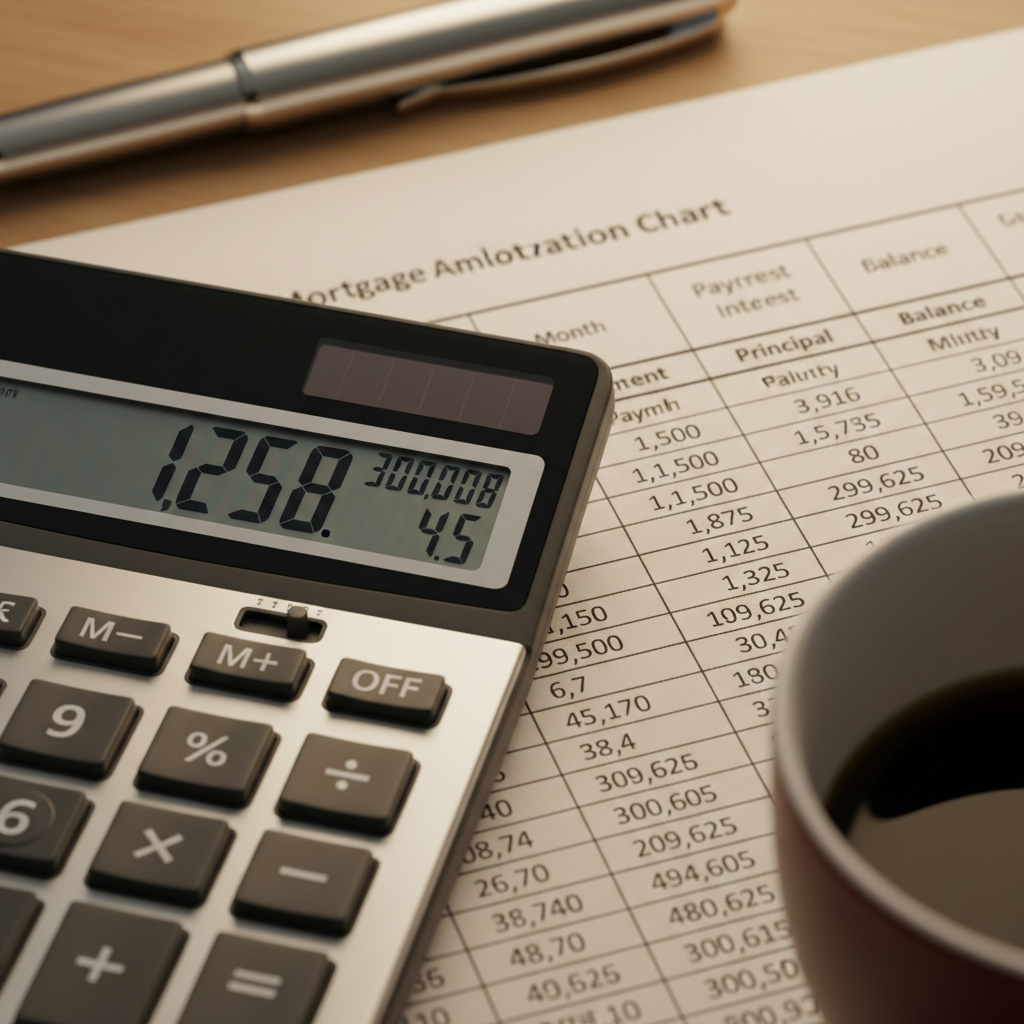
Research and take advantage of any deductions and credits that apply to your situation. If you're unsure, consulting a tax professional can provide clarity and ensure you're not missing out on potential savings.
Choosing the Right Filing Method
Deciding how to file your taxes is another critical step. You can file manually, use tax software, or hire a professional. Each method has its pros and cons, depending on the complexity of your financial situation.
- Manual Filing: Cost-effective but may be time-consuming and prone to errors.
- Tax Software: User-friendly with step-by-step guidance, ideal for straightforward returns.
- Professional Help: Best for complex situations, though it may be more expensive.
Planning Ahead for Next Year
Once you've filed your taxes, take the opportunity to plan for the next year. Review your current tax situation and consider adjusting your withholdings if necessary. This proactive approach can help you avoid surprises during the next tax season.
Set up a system for keeping track of expenses and income throughout the year. Regular updates to your financial records will make the next tax season even smoother. Remember, preparation is key to a stress-free tax experience.