
DIY Tax Filing: A Step-by-Step Guide from the Experts
Filing your taxes can be a daunting task, but with the right guidance, it becomes manageable and even empowering. This step-by-step guide will help you navigate the world of DIY tax filing with confidence. From gathering documents to submitting your return, we cover it all.
Gather Your Documents
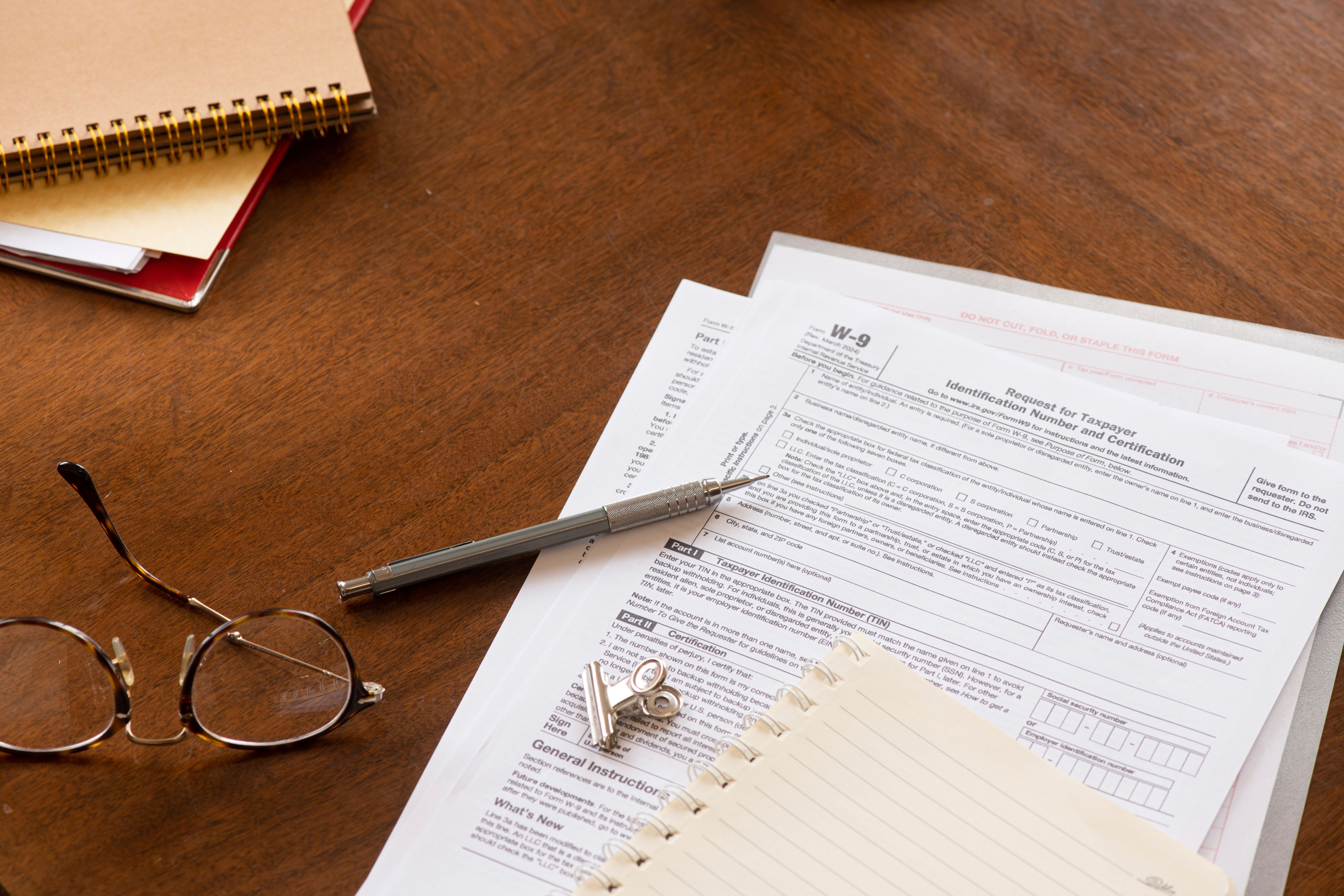
Before you can begin filing your taxes, it's crucial to gather all necessary documents. These include W-2s, 1099s, and receipts for any deductible expenses. Having everything in one place will make the process smoother and less stressful.
Here's a quick checklist of documents you might need:
- W-2 forms from employers
- 1099 forms for additional income
- Receipts for deductible expenses
- Mortgage interest statements
- Student loan interest statements
Choose the Right Software
Once your documents are organized, it's time to choose the right tax software. There are many options available, each with its own features and pricing. Look for software that offers a user-friendly interface and robust support features.
Consider these popular options:
- TurboTax
- H&R Block
- TaxAct
- FreeTaxUSA

Understand Deductions and Credits
Understanding deductions and credits can significantly impact your tax outcome. Deductions reduce your taxable income, while credits reduce your tax liability. Make sure to research which ones apply to you.
Common deductions include:
- Home office expenses
- Charitable contributions
- Medical expenses
Maximize Your Credits
Credits like the Earned Income Tax Credit or Child Tax Credit can offer substantial savings. Ensure you qualify and claim them correctly to maximize your return.

Double-Check Your Information
Mistakes on your tax return can lead to delays or even audits. Double-check all information, including Social Security numbers, bank account details, and all figures entered. Accuracy is crucial for a smooth filing process.
Submit and Keep Records
Once you've reviewed everything, it's time to submit your return. Most tax software allows for electronic submission, which is faster and more secure. After filing, keep copies of your return and all supporting documents for at least three years.
By following these steps, you can take control of your tax filing process. With organization and attention to detail, DIY tax filing can be a rewarding experience.